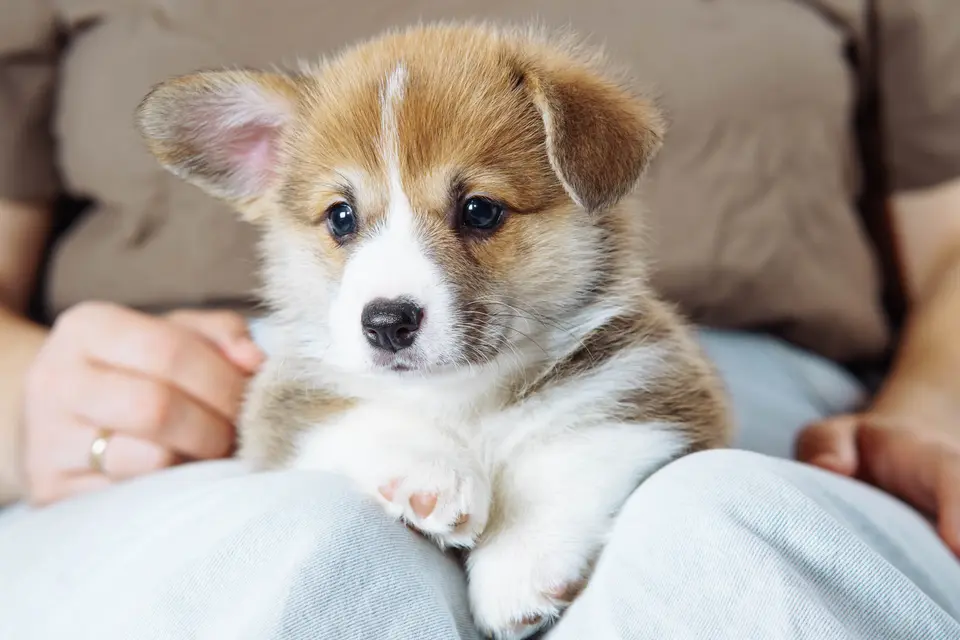
A puppy's first groom sets the tone for every groom after it. A puppy who learns early that brushes, dryers and strangers handling its feet are no big deal grows into a dog who stands calmly on the table for life. One whose first experience is long, loud and frightening can take years to come around. So we take first visits seriously at Purrfect Paws Mobile Pet Spa, and we ask owners to start the work before we arrive.
Start young, keep it short, keep it positive
Introduce grooming as soon as your puppy comes home. Not a full haircut; just the pieces. The goal is to teach the puppy that being handled is normal and ends with something good. Every session is a minute or two and stops before the puppy gets squirmy. End on a calm moment and a treat, not on a struggle.
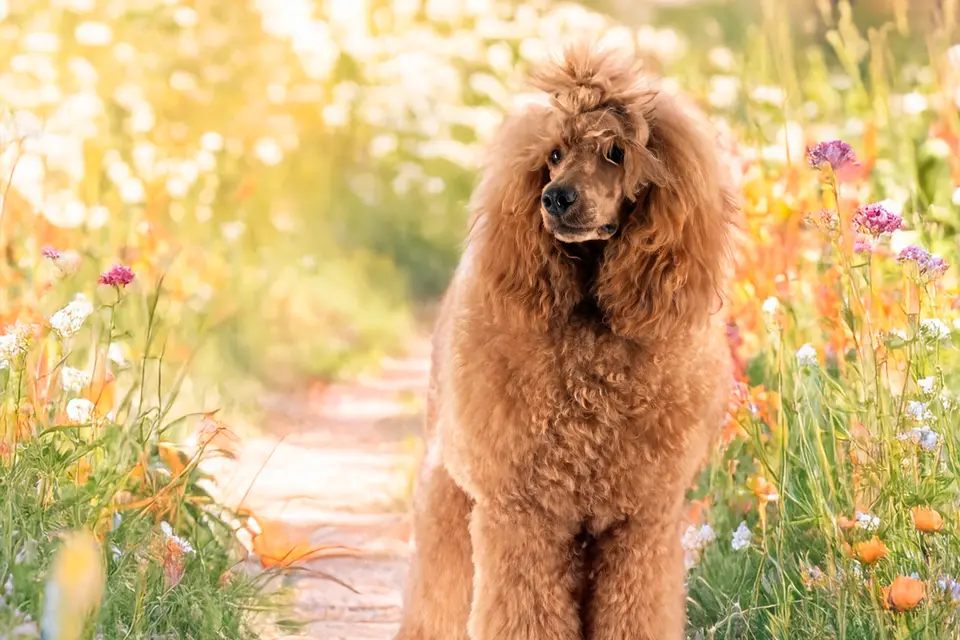
Puppies that will grow a long or curly coat, doodles especially, need this the most. A doodle that hates being brushed at eight months is a doodle that mats, and a matted coat ends in a shave. Teaching the brush early is the kindest thing you can do for a long-coated puppy.
Handling paws, ears and face at home
The parts of a groom that bother dogs most are the parts nobody touches in daily life: the feet, the ears, the muzzle, under the tail. Make them ordinary.
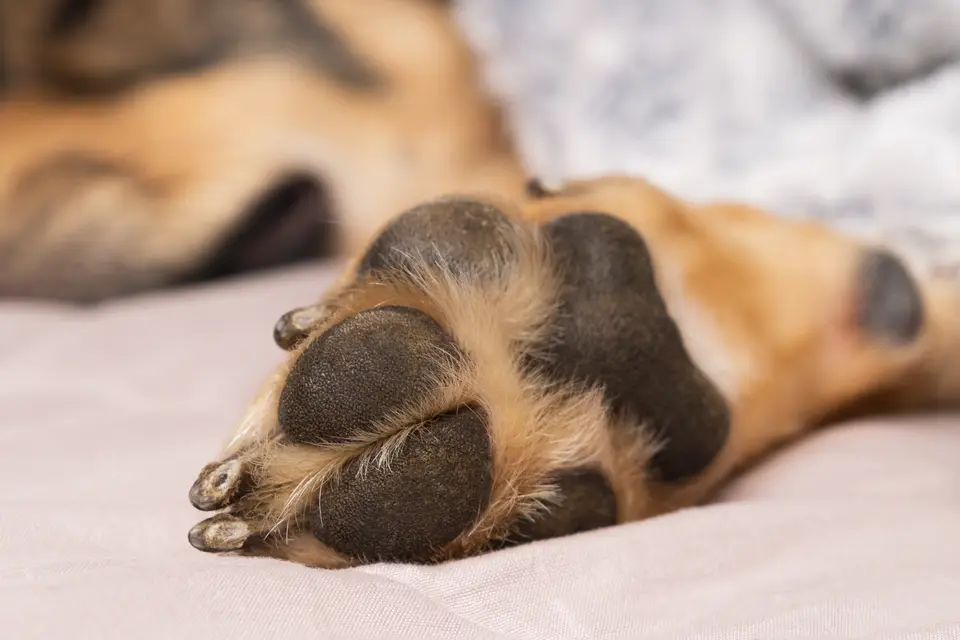
- Paws. Hold a paw for a second, press a toe gently so the nail extends, let go, treat. Build up to holding each paw a little longer and tapping the nail with a finger or the back of a spoon so the sensation of a clipper is not new.
- Ears. Lift the ear flap, look inside, touch the base, treat. Puppies that accept this make ear cleaning a ten-second job instead of a wrestle.
- Face and muzzle. Run a hand over the muzzle, lift the lip to look at the teeth. A dog that tolerates its face being held is far safer around scissors.
- Brushing. A soft brush over the back, then the legs, then the belly, a few strokes at a time. Let the puppy sniff the brush first. Pair it with a treat every time.
- Noise. Run a hair dryer on low across the room while the puppy eats, so the sound becomes background. Move it closer over several days. Never point it at the puppy's face.
Ten minutes a day of this, for a few weeks, pays off for a decade.
Vaccines and timing
Ask your vet when your puppy is cleared for grooming. The timing depends on the vaccination schedule, and your vet is the right person to decide that, not us. One advantage of a mobile groom is that there is no waiting room full of other dogs and no shared kennel; your puppy goes from your door into a van that is cleaned between pets and sees only our groomer. That removes a lot of the exposure a salon visit involves, but it does not replace your vet's advice.
What a first visit looks like in the van
A first groom is often more of an introduction than a full groom, and we would rather do less and have it go well than do everything and have the puppy leave frightened.
- We meet at the door. We talk about the puppy, its coat and what it is nervous about, and let it sniff us and the ramp. Nobody is rushed.
- Into the van, slowly. One pet at a time, no other animals, no barking from the next cage. The puppy explores the table and gets a moment to settle.
- Handling first. We touch the paws, ears and face before any tool comes out, the same way you have been doing at home, so the puppy recognizes the routine.
- A gentle bath in warm water, with the eyes and ears protected, followed by warm air fluff drying on a low setting with plenty of breaks. For a nervous puppy we towel more and blow less.
- A light trim. For a first visit that often means a tidy around the eyes, the feet and the sanitary area rather than a full haircut, plus nails clipped and filed and ears cleaned. The full trim can wait until the puppy is comfortable.
- A treat if you allow it, and a report on what we noticed about the puppy's skin, coat, ears and teeth. Anything that gives us pause, we will suggest you mention to your vet.
A puppy visit usually sits at the short end of our 30 to 90 minute range, and it ends when the puppy has had enough.
Keeping it calm
A tired puppy is a calm puppy. A walk or a play session an hour before we arrive, followed by a quiet half hour, makes a real difference. Skip a big meal right beforehand. Keep your own energy low at the door; puppies read their people. Our guide to preparing for a mobile groom has a fuller checklist, and the FAQ covers the common questions. If your puppy is unusually fearful, tell us when you book. We can plan a shorter session, and if the puppy needs much more time and care than a normal groom, a special handling fee of $50 covers that. Most puppies do not need it.
Setting a routine
The first visit is the start of a schedule, not a one-off. Puppies grow fast, coats change as the adult coat comes in, and the dog that is easy at four months can be a tangle at nine if the brushing stops. A regular groom every six to eight weeks for long and curly coats keeps every visit short and familiar. Our guide to how often to groom breaks it down by coat type, and the dog grooming page lists what every groom includes. Between visits, keep up the daily handling and brushing. By the third or fourth groom most puppies trot up the ramp like they own it. That is the whole point of starting early.