"It was fine last week." We hear it often, from an owner looking at a dog whose coat has turned into felt almost overnight. Mats are the most common reason a groom takes longer, costs more, or ends with a much shorter haircut than anyone planned. They are also almost entirely preventable. Here is how they form, why they hurt, what we do about them in the van, and how to keep them from coming back.
How a mat forms
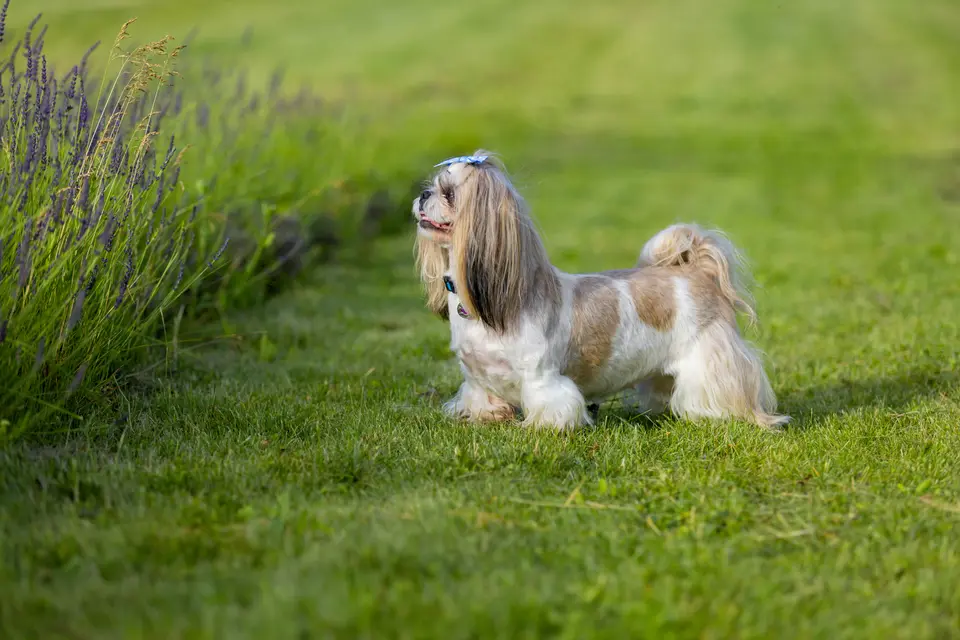
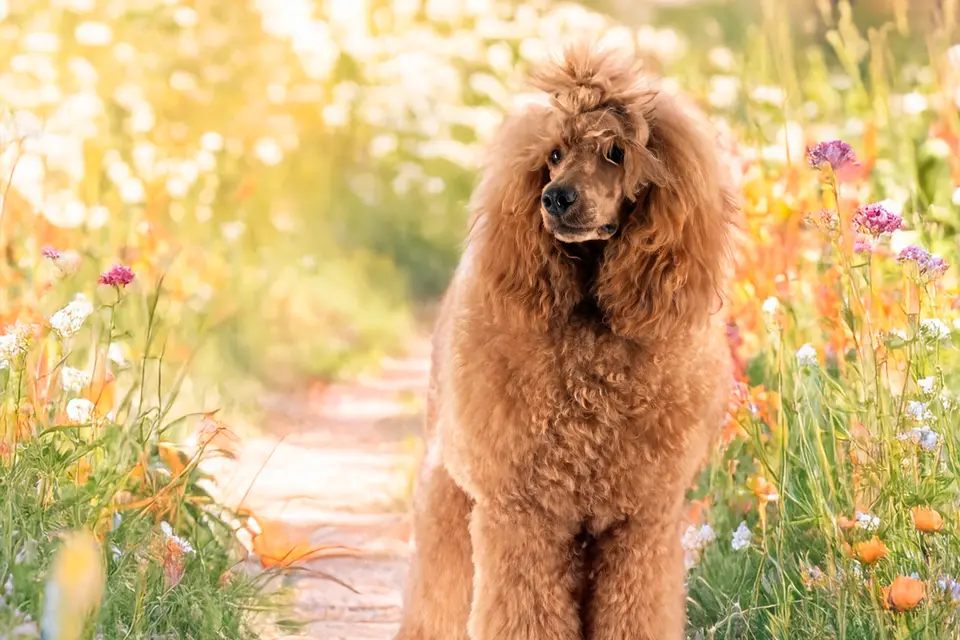
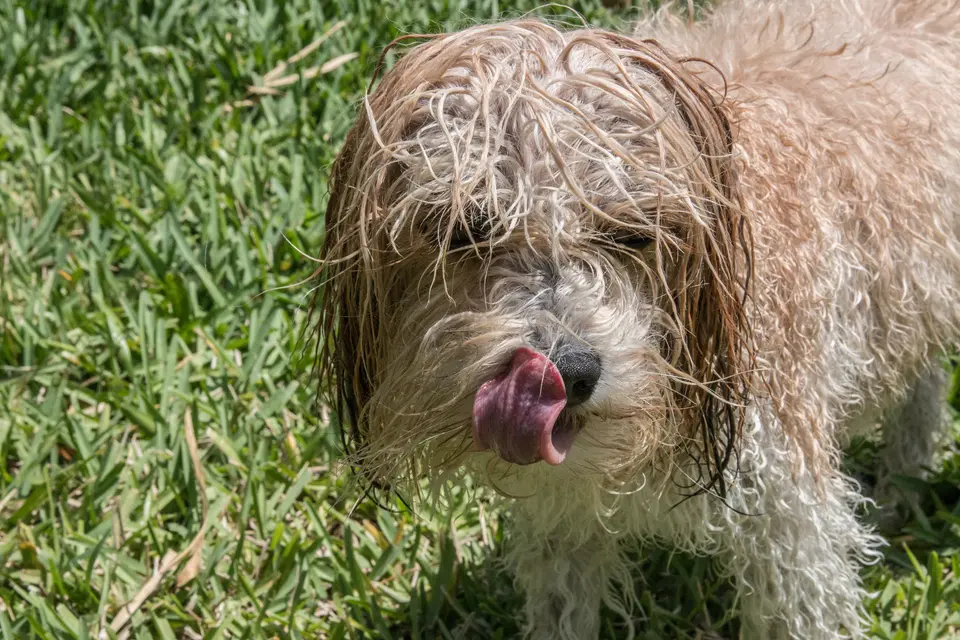
Every coat sheds. On a short-haired dog the dead hair falls out and lands on your couch. On a long or curly coat, especially the low-shedding coats of doodles, poodles, bichons and shih tzus, the dead hair stays caught in the living coat around it. Add friction (a collar rubbing, legs moving) and moisture (rain, a swim, a bath without a proper dry), and the loose hair twists around the attached hair and tightens. At first it is a tangle you can pull apart with your fingers. A couple of weeks later it is a dense pad bound tight against the skin, and no brush will go through it.
The trap is that a matted coat can look fine from the outside. The top layer stays soft and fluffy while the layer underneath, against the skin, is felting. The mat only shows when you part the coat down to the skin, or when a comb stops dead half an inch in.
Where mats start
Mats form where the coat rubs against something, and the same spots turn up on almost every dog.
- Behind the ears, where the ear flap rubs the neck and the hair is fine.
- Under the collar or harness, which rubs all day and traps moisture.
- The armpits, where the front legs swing against the chest with every step.
- The belly and groin, which get wet, get sat on and rarely get brushed.
- Between the back legs and under the tail, for the same reasons.
- The feet, where hair between the pads picks up grit and knots.
Check those six places weekly, down to the skin, and you will catch nearly every mat while it is still a tangle.
Why a mat hurts
A mat is attached to the skin by every hair in it, and as it tightens it pulls on all of them at once, all the time, sharper with every movement. Under the mat, air cannot reach the skin and moisture cannot leave it, so the skin stays damp and dirty. That is where sores and irritation start, and the mat hides them. Around the hindquarters a mat can hold waste against the skin. A dog that scratches at one spot or flinches when touched in the places above may be telling you about a mat. If the skin under one looks raw or smells wrong, that is a question for your vet.
What a groomer actually does
At the door we feel the coat with our hands and tell you what we find before we start. Then the answer depends on how bad it is.
A light tangle comes out with a slicker brush, a comb and some patience, usually before the bath. Wetting a tangle tightens it, so this comes first.
A few isolated mats we can often work out or clip out individually, leaving the rest of the coat at the length you wanted. That extra time is what the $30 matted coat add-on covers.
A coat that is matted all over, tight to the skin, is shaved. We know that is not what anyone wants to hear, so here is the honest reason. Brushing out a pelted coat means dragging a comb through hair that is bound to the skin, over and over, for an hour or more, on a dog that cannot tell you to stop. It is painful and it damages the skin. A short clip under the mat takes the whole thing off in one pass, the skin gets air, and the coat grows back clean. The dog looks different for a few weeks and feels better immediately. We will always tell you before we shave, and we never do it just to save time. Afterward we go over the skin carefully, because this is when sores the mat was hiding become visible, and you get the same observation and report we give after every groom. It is for your vet to decide what it means.
What it costs
Matted coat is a $30 add-on to any groom, plus tax, listed with the other extras and on our pricing page. It covers the additional time a matted coat takes, and we tell you at the door if it applies, before any work starts.
Keeping mats from coming back
Two things prevent almost all matting: brushing at home and a regular professional schedule.
Brush to the skin. Use a slicker brush followed by a metal comb, and part the coat so the comb reaches the skin, not just the surface. Line brushing, a small section at a time from the skin outward, is the only brushing that actually prevents mats on a long or curly coat. A few minutes most days beats a long session once a month.
Dry thoroughly. After a bath, a swim or a rainy walk, towel and brush the dog while it dries; a wet coat left alone is where mats begin.
Pick a length you can maintain. If you do not have time to brush to the skin several times a week, a shorter trim is kinder than a long coat that mats between appointments.
Keep the schedule. Doodles and other low-shedding coats do best with a professional groom every six to eight weeks. On that schedule a mat rarely gets the chance to form and you never face the shave. Our doodle coat care guide goes into the daily routine for those coats in particular.
A matted dog is nobody's failure. What matters is what happens next, and we would rather take the mat off gently and start fresh than let a dog carry it around a day longer.