Some dogs hop into the grooming van like it is the best part of their week. Others plant their feet in the driveway, tuck their tail, and look at you as if you have made a terrible mistake. If your dog is in the second group, you have not done anything wrong. Anxiety around grooming is common, it has real causes, and there is a calmer way through bath day. At Purrfect Paws Mobile Pet Spa we have been grooming nervous dogs since 2005, and most of what follows is what we have learned by slowing down and paying attention.
What stress looks like on a dog
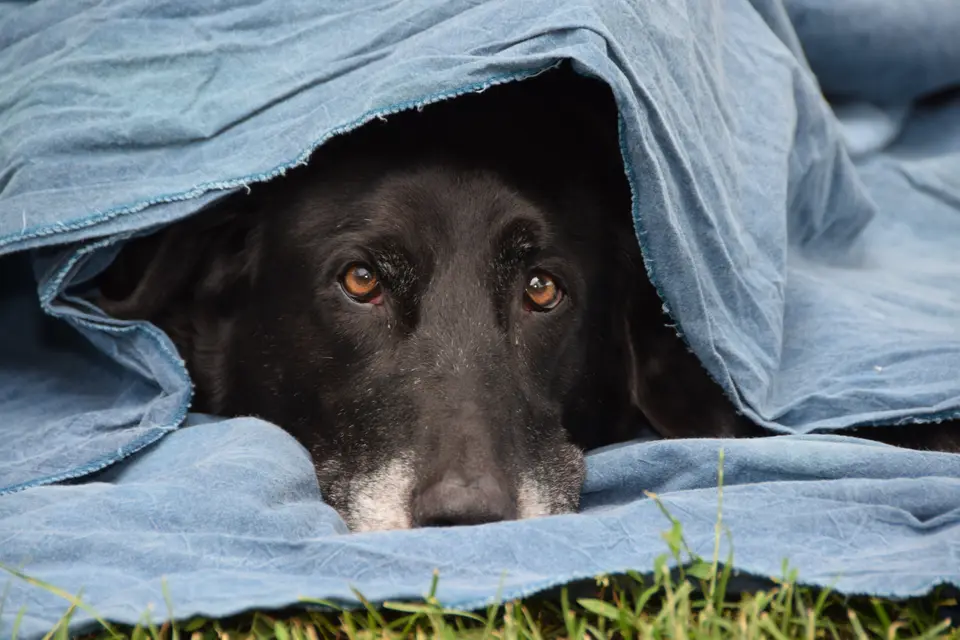
Dogs rarely announce that they are frightened. They show it. Watch for a tucked tail, ears pinned back, a lowered head, or a body that goes stiff when the brush comes out. Lip licking, yawning when nothing is tiring, trembling, and heavy panting on a cool day are all signs of a dog trying to settle itself. A few go the other direction and get very still and quiet, which owners sometimes read as calm when it is really a dog that has shut down.
None of this means a dog is "bad" at grooming. It means the dog is uncomfortable, and our job is to find out why and take that pressure off.
Why a quiet van with one pet helps
Much of the fear a dog carries into grooming has nothing to do with the bath. It comes from the car ride, the waiting, the barking of unfamiliar dogs, and the hours in a crate between steps. Take those away and many "anxious" dogs turn out to be perfectly reasonable.
That is the quiet advantage of mobile grooming. Our van parks in your driveway with its own fresh water and power, and there is one pet inside at a time, groomed start to finish in a single visit of roughly 30 to 90 minutes. Your dog can smell home through the door. There is no kennel and no stranger's dog two feet away. For a dog who finds the world a little loud, a small space with one calm person in it is a very different experience from a busy room. Our dog grooming page explains how a visit works.
What we do differently with a nervous dog
The first difference is pace. A worried dog does not need to be rushed, so we build extra time into the appointment and we use it. The groom starts with a short pet care consultation, which is as much for the dog as for you: a few minutes to sniff the van, hear our voices, and decide we are not a threat before anything touches them.
- We introduce every step before we do it. The dryer runs on low where the dog can hear it before it is pointed at them. The clippers hum nearby before they are used. Surprise is what most dogs react to, not the equipment.
- We take breaks. If a dog is panting hard or trembling, we stop and let them stand. A thirty-second pause often buys ten calm minutes.
- We do not force it. If a dog cannot tolerate a full trim on a given day, we do what we can do well and tell you honestly what we left for next time. A partial groom done gently beats a complete groom the dog will dread forever.
- We keep our voices low and our hands steady. Dogs read tension in people instantly. A calm groomer is doing half the work before the water is on.
Senior dogs who need to sit or lie down during the groom are welcome; our senior pet grooming page covers how we handle that.
What you can do before we arrive
- Give your dog some exercise first. A good walk an hour or two before the appointment takes the edge off.
- Skip the big meal. A full stomach plus nerves is an uncomfortable combination. A normal breakfast well before we arrive is fine; a large meal right before is not.
- Take a bathroom break before we knock. One less thing for the dog to worry about inside the van.
- Tell us what you know. If your dog hates the dryer, guards his back feet, had a bad experience at a salon, or is sore in one hip, say so when you book. Nothing you tell us is a complaint about your dog. It is information that changes how we work.
- Stay calm yourself. Long goodbyes and worried voices tell the dog something is wrong. A relaxed handoff tells them it is routine.
We have a fuller checklist in our guide to preparing for a mobile groom.
The special handling fee, explained honestly
Some pets need more than extra patience. Our special handling fee is $50, and it applies to pets who need a muzzle, who show real anxiety or aggression, who cannot stand on their own for more than about ten minutes, or who have significant health concerns that change how we have to work. Full details are on our pricing page.
We would rather explain the fee than hide it in the total. It covers the simple reality that these grooms take longer and sometimes take two sets of hands. A dog who needs to be held gently through every step, or who needs us to stop and restart several times, occupies the van for a good deal longer than the groom itself. The fee is not a judgment about your dog, and it is not charged for ordinary nerves. Plenty of dogs who tremble at the start settle within ten minutes and are groomed at the standard rate. If we think it applies, we tell you before we begin, not after.
When a muzzle is used, and why it is not a punishment
A muzzle is the part of this conversation that worries owners most, so let us be plain. We use a soft muzzle only when a dog has shown us, by snapping or biting, that they might hurt someone when frightened. It protects the groomer, and it protects the dog, because a dog who bites during a nail trim is a dog who gets rushed, restrained harder, and remembered as "difficult" at the next place they go. A muzzle breaks that cycle.
It is never used to scold a dog, and it is never left on longer than the step that needs it. A correctly fitted muzzle still lets a dog pant and drink, and many dogs relax noticeably once it is on, because the groomer's hands relax too. If your dog has needed one before, tell us. If you would like to help your dog get used to one at home with treats, that is a kind thing to do and we are happy to suggest how.
It gets better
The most encouraging thing we can tell you is that anxious dogs improve. The same groomer, the same van, and the same quiet routine every six to eight weeks teach a dog that nothing bad happens here. Dogs who needed a muzzle on their first visit often do not need one by the third. If you would like to talk through your dog's history before booking, reach out to us. We will listen, and we will plan the visit around the dog you actually have.