You lean in to give your dog a kiss on the head and get a whiff of something that should not be there. Doggy ear smell is one of the most common things owners mention during the consultation at the start of a groom, usually with an apology, and there is nothing to apologize for. Ears get smelly for a few plain reasons, most of them have simple answers, and a couple of them are a reason to call your vet. At Purrfect Paws Mobile Pet Spa we clean and deodorize the ears in every groom, so we see a lot of them. Here is what we have learned.
Why ears get smelly in the first place
A dog's ear canal is shaped differently from ours. It runs down and then turns inward, which makes a long, dark channel that holds warmth and moisture and does not air out easily. Add a little wax, which every ear produces to trap dust and protect the skin, and you have a place where the normal yeast and bacteria that live on every dog can get a bit too comfortable. The result is the faint, sweetish, slightly musty smell most owners notice first.
A healthy ear has a light, waxy scent and not much else. A noticeably sour, yeasty, or foul smell means the balance has tipped, and the further it tips, the more a dog will scratch, shake, and rub its head on the carpet.
Floppy ears and moisture
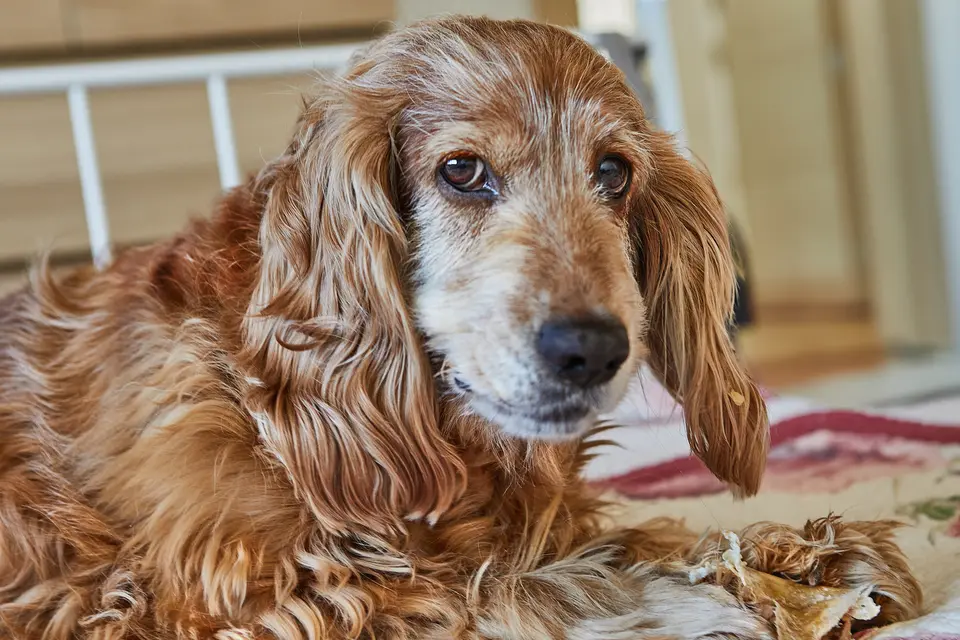
Breeds with ears that hang down, like Cocker Spaniels, Basset Hounds, Labs, Goldens, and most doodles, have a built-in disadvantage. The ear flap closes over the opening like a lid, so the canal stays warmer and damper than it does on a dog whose ears stand up. Dogs with a lot of hair growing inside the ear, which includes many poodle mixes, have an extra layer of insulation on top of that. These are the dogs whose ears we pay closest attention to, and the ones whose owners most often ask why the smell keeps coming back. The answer is usually that the ear is never getting dry.
After swimming
Summer on Long Island means pools, the Sound, the bay, and a lot of wet dogs. Water that gets into the ear canal and stays there is the fastest route to a smelly ear we know of. If your dog swims, make a habit of drying the ears afterward: a soft towel wiped gently around the outer ear and the entrance to the canal, never pushed down inside. Owners of regular swimmers sometimes ask their vet about a drying ear solution for use after the water, which is a reasonable question. The same goes for bath day at home: keep the water out of the ears, and if some gets in, dry what you can reach.
What cleaning and deodorizing involves
Ear care in our van is gentle and quick. First we look. Redness, swelling, a dark or crumbly discharge, a strong smell, or a dog who flinches when the ear is touched all tell us to stop and tell you rather than carry on. If the ear looks healthy, we apply a dog-safe ear cleaning solution, work it gently around the outer ear and the part of the canal we can see, and wipe away the loosened wax and debris. We never push anything down into the canal. Cotton swabs pushed into a dog's ear can pack wax deeper and can hurt the dog, so we do not use them that way and we would ask you not to either.
Deodorizing is the last step: a light, dog-safe ear freshener that leaves the ear clean-smelling rather than perfumed. Dogs with hair growing in the ear canal may have some of it gently plucked or trimmed to let more air in, which we do only if the dog tolerates it comfortably.
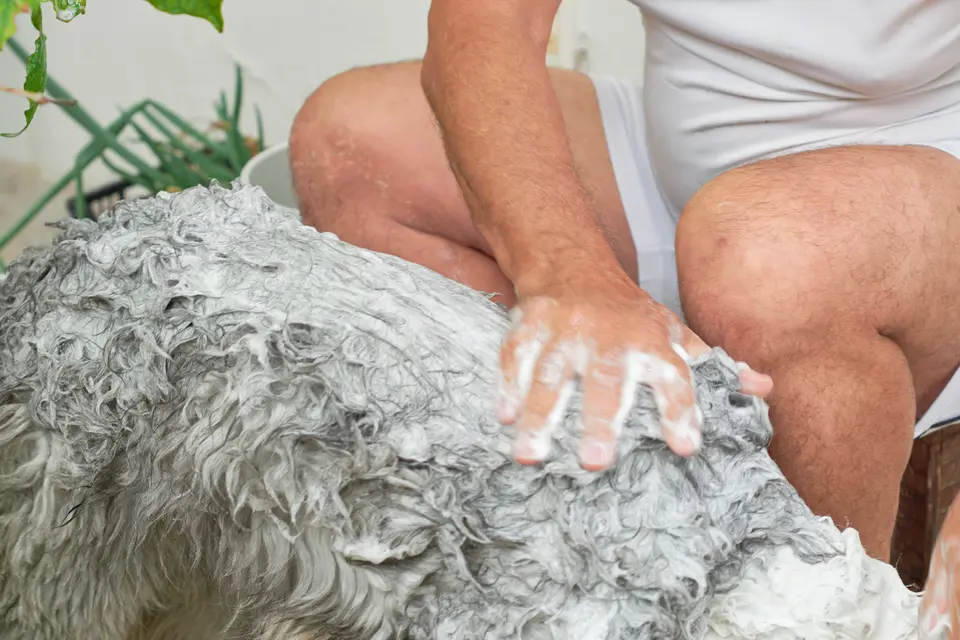
During the bath itself, our humane bath protects the eyes and ears, which means we deliberately keep water and shampoo away from the ear canal rather than soaking the head. Then the warm air fluff dry takes care of any dampness that reached the outer ear. Clean, dry ears are part of every visit, from a mini groom to a full doodle groom, and the same is true in our cat grooms.
Signs that need a vet, not a groomer
We are groomers, and we are careful about where our job ends. A smell on its own, with a healthy-looking ear, is maintenance. The following are not, and for any of them the answer is to ask your vet:
- A strong, foul, or yeasty smell that comes back within days of cleaning
- Redness, heat, or swelling of the ear flap or the opening of the canal
- Dark, waxy, crumbly, or yellowish discharge
- Constant head shaking, scratching at the ears, or rubbing the head along the floor
- A dog who cries out or pulls away when the ear is touched
- A head tilt, loss of balance, or a change in hearing
- A swollen, puffy ear flap, which can happen after a lot of shaking
We will tell you if we see any of these during the groom, because an observation and report of your pet's general health is part of every appointment, but we will not diagnose it and we will not treat it. Ear infections need a vet's eyes and, often, medication. What we can do is keep a healthy ear clean so it is less likely to become an unhealthy one.
Keeping ears healthy between grooms
A groom every four to eight weeks takes care of the deeper cleaning. Between visits, a quick look and a sniff once a week is plenty for most dogs. Dry the ears after swimming or bathing. If your vet has recommended a cleaning solution, use it the way they showed you. And if the smell changes or any of the signs above appear, do not wait for the next groom to mention it. Our dog grooming page lists everything a visit includes, and if you have a question about your own dog's ears before you book, the contact page is the place to ask.