Walk down the grooming aisle of any pet store and you will find a wall of brushes, each one promising to be the only brush you will ever need. No single brush suits every dog. The right tool depends on the coat, and using the wrong one is the most common reason we hear "but I brush him every day" from an owner whose dog still arrives with mats underneath. Here is how we think about brushes at Purrfect Paws Mobile Pet Spa, and how to use them without hurting your dog.
The five tools worth owning
Slicker brush
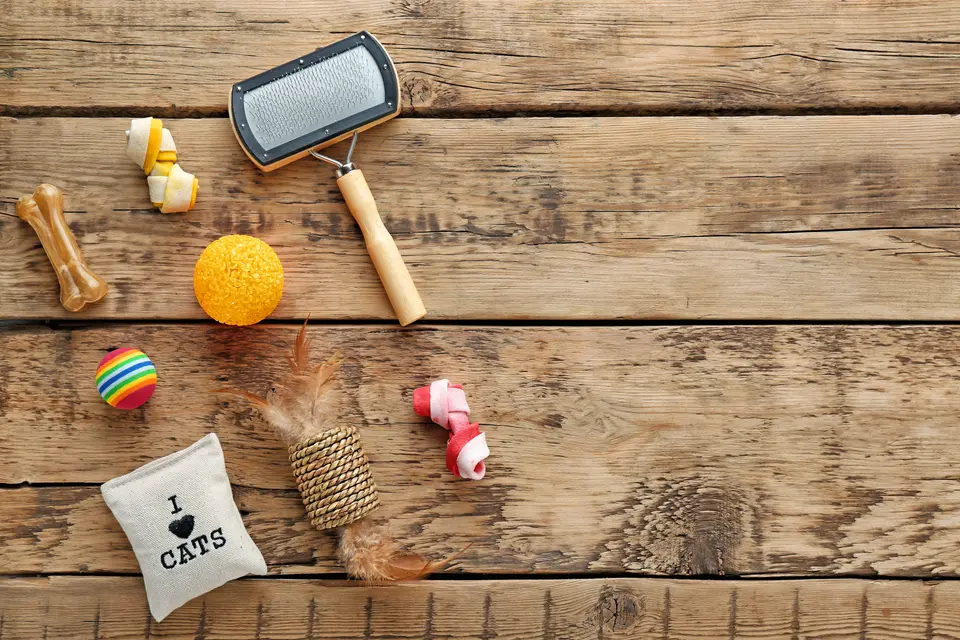
A flat pad of fine, bent wire pins. This is the workhorse for any coat that tangles: it reaches through the top layer and separates hair, which is why we reach for it on doodles, Shih Tzus, Yorkies and most long or curly coats. The pins can scratch skin if you press down, so it is also the brush most often used wrong. Light pressure and short strokes, always.
Pin brush
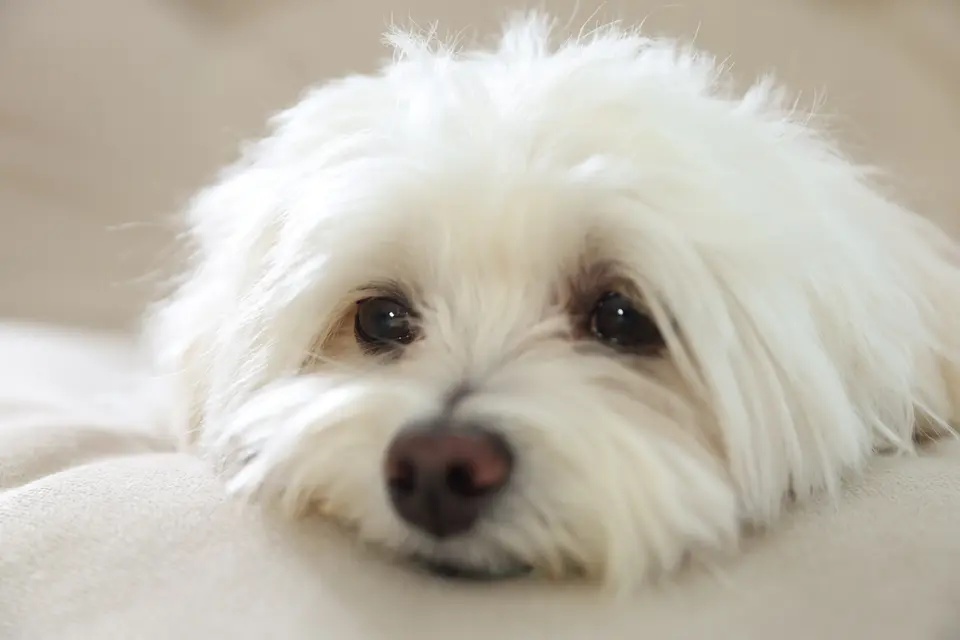
Looks like a human hairbrush: longer, straight pins with rounded tips in a cushioned pad. Gentler than a slicker, and good for everyday brushing of long, silky coats such as a Golden Retriever's feathering or a Maltese. It will not get through a mat and does little on a dense double coat, so think of it as the maintenance brush, not the problem-solving one.
Bristle brush
Close-set natural or synthetic bristles, for short, smooth coats: Boxers, Beagles, Labs, Dachshunds. There is nothing to detangle on these dogs, so the brush lifts loose hair, spreads the skin's natural oils down the coat and brings up the shine. Most short-coated dogs enjoy it.
Metal comb
A plain steel comb, wide teeth on one end and fine on the other. This is the tool we trust more than any brush, because it does not lie. A slicker can glide over the top of a coat and leave a mat sitting next to the skin. If a comb passes from skin to tip without catching, the coat is truly clear. Use it after every brushing session on a tangle-prone dog as a check.
Deshedding tool
A fine-toothed blade in a handle that pulls loose undercoat out of a double coat. On a Husky, Shepherd, Golden or Corgi in shedding season it removes a startling amount of dead hair. It is not for curly or single coats, where it cuts healthy hair, and never for the face or legs. A few passes is plenty; overuse irritates the skin.
Matching the brush to the coat
- Short, smooth coats (Lab, Boxer, Beagle): a bristle brush, and a rubber curry or deshedding tool during heavy shedding. No slicker needed.
- Double coats (Husky, Shepherd, Golden, Pomeranian, Corgi): a slicker for the outer coat, a deshedding tool or undercoat rake for the dense layer underneath, and a comb to check the thick spots behind the ears, around the collar and on the rear.
- Curly and wavy coats (Poodle, doodles, Bichon, Portuguese Water Dog): a slicker and a metal comb, used together. These coats do not shed loose hair; it stays in the coat and felts into mats, which is why we cover them in detail in our guide to doodle coat care.
- Long, silky coats (Yorkie, Maltese, Shih Tzu, Cocker Spaniel, Afghan): a pin brush for daily upkeep, a slicker for tangles, and a comb to confirm the job is done.
How to brush without hurting your dog
Most dogs who hate being brushed learned to hate it from being brushed badly. Two habits fix almost all of it.
Line brushing
Instead of dragging the brush over the surface, use your free hand to part the hair and hold the top layer up so you can see skin. Brush the thin layer below the part, from the skin outward, in the direction the hair grows. Move your hand up a little, let a new line fall, and brush that. It is slower than surface brushing, but it is the only method that reaches the undercoat on a double-coated dog or the inner coat on a doodle, which is where mats start.
Be gentle at mats
A mat pulls on the skin every time the dog moves, and yanking a brush through it pulls harder. Hold the mat at its base with your fingers, between the mat and the skin, so the tension stays in your hand. Work at the edge with the wide teeth of the comb, picking it apart a little at a time, outward from the skin. If it will not come apart in a few minutes, stop. A tight mat is a job for clippers, and cutting one out with scissors at home is how dogs end up with nicked skin, because the skin is pulled up into the mat and you cannot see where it ends. We take matted coats as an add-on, listed with our extras, and we would far rather shave a mat out safely than have you fight it.
Two more small things: mist a curly coat lightly with water or detangling spray before you start, since brushing bone dry curls breaks the hair, and keep sessions short, ending with a treat while your dog still has patience left.
How often, by coat
- Short, smooth coats: once a week is plenty, a little more in spring and fall shedding.
- Double coats: two or three times a week year round, and most days during a seasonal blow-out.
- Curly and wavy coats: every day or every other day, line brushed, with a comb check. These coats mat faster than any other, and a longer trim means more brushing, not less.
- Long, silky coats: daily if kept long, a few times a week in a shorter pet trim.
Home brushing keeps your dog comfortable between professional grooms; it does not replace them. Our guide to grooming frequency lays out a realistic schedule by breed and lifestyle, and our dog grooming page explains what a full groom in the van includes. If you are not sure which brush your dog needs, bring it to the door when we arrive. We are happy to show you how we use it, on your own dog, so what you do between visits actually helps.